Why is the Nile River referred to as the lifeline of Egypt?
 James Craig
 .
Thereof, why is the Nile River known as the lifeline of Egypt?
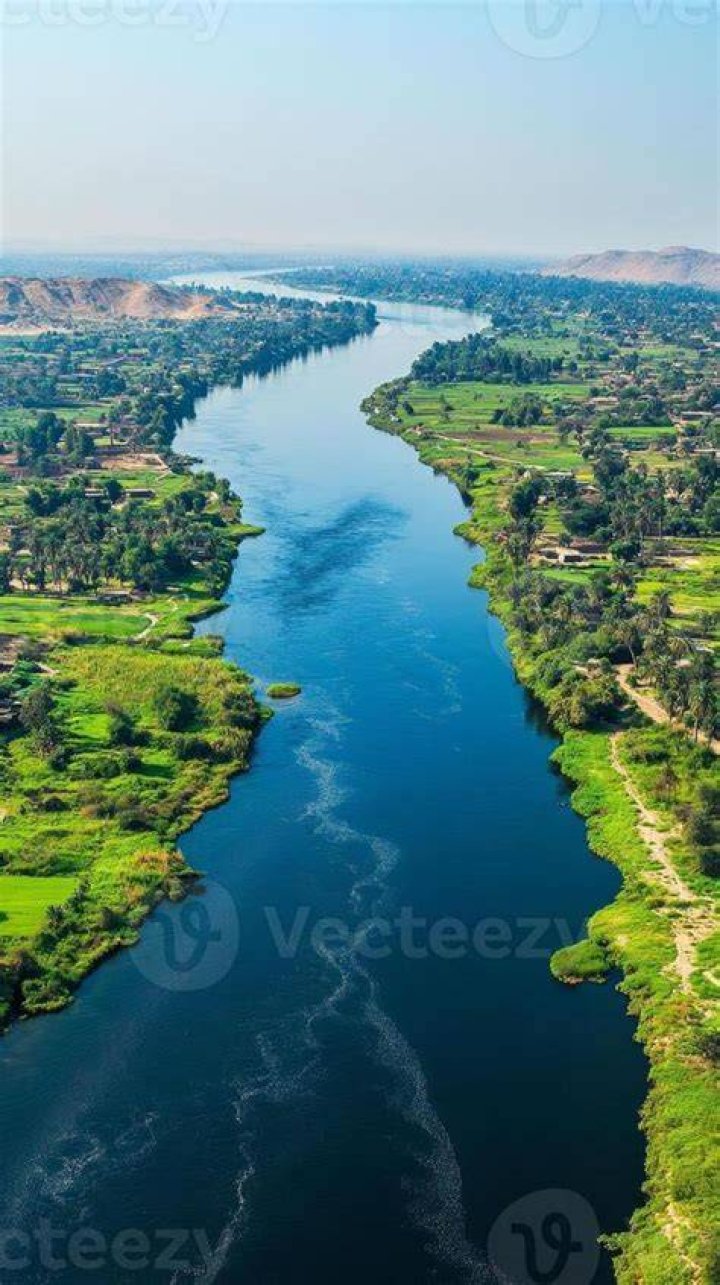
Nile – The Lifeline of Egypt. The Nile always played a key role in the lives of Egyptians. It made living in the desert possible, provided drinking water; it was a source of irrigation and most importantly created fertile soil that allowed for growing crops to feed the masses.
Furthermore, how did ancient Egypt control the Nile River? At the top of the social structure were gods such as Ra and Osiris because the Egyptians believed that they controlled the universe. The Egyptians tried their best to please the gods because if they were happy, then the Nile would flood producing an abundance of crops and preventing famine.
Also to know, how did the Nile affect life in ancient Egypt?
The Nile River was the center of Ancient Egypt. The floods brought rich black soil onto the banks of the Nile River which made it possible for farmers to grow crops. The dry climate near the Nile made it so the ancient pyramids still stand today. Unlike most cultures the ancient egyptians gave women many rights.
Why was Egypt called the gift of the Nile quizlet?
*Egypt is called "the gift of the Nile" because Egyptians thought that the river was a gift from their gods and the Nile river was very important to Egypt. *The Nile gave Egypt fertile, fine soil called silt. This fertile soil created fertile land in a Desert.
Related Question Answers
What is the source of the Nile?
Blue Nile RiverWhite NileWho found the source of the Nile?
John Hanning Speke
What are 3 facts about the Nile River?
Interesting Facts about the Nile river:- The Nile River is the longest river in the world.
- The Nile flows into the Mediterranean Sea.
- The Nile has a length of about 6,695 kilometers (4,160 miles)
- Its average discharge is 3.1 million litres (680,000 gallons) per second.
Does the Nile flow uphill?
Rivers always flow downhill. It's a common misconception that something about the earth forces most rivers to flow south. Plenty of rivers flow north, including the Nile, which gathers from high-elevation lakes in the African Rift Valley.Has the Nile ever dried up?
The fertile arc-shaped basin is home to nearly half the country's population, and the river that feeds it provides Egypt with 90% of its water needs. But climbing temperatures and drought are drying up the mighty Nile – a problem compounded by rising seas and soil salinization, experts and farmers say.What is the river Nile used for today?
For thousands of years, the river has provided a source of irrigation to transform the dry area around it into lush agricultural land. Today, the river continues to serve as a source of irrigation, as well as an important transportation and trade route.Who owns the Nile River?
Egyptian
Why did the Egyptians build pyramids?
Pyramids were built for religious purposes. The Egyptians were one of the first civilizations to believe in an afterlife. They believed that a second self called the ka lived within every human being. When the physical body expired, the ka enjoyed eternal life.Why is ancient Egypt important?
Egyptian civilization developed along the Nile River in large part because the river's annual flooding ensured reliable, rich soil for growing crops. Ancient Egyptians developed wide-reaching trade networks along the Nile, in the Red Sea, and in the Near East.Who is the Egyptian god of the underworld?
Osiris
How did the Nile shape Ancient Egypt religion?
The Nile influenced many religious acts in ancient Egypt, which stemmed from its depiction of the afterlife, such as the preservation of mummies and the construction of the Great Pyramids that were built with its waters. The Nile River, due to its importance for Egyptian life, was present in their religion.Was the Nile a god?
Hapi was the god of the annual flooding of the Nile in ancient Egyptian religion. The flood deposited rich silt (fertile soil) on the river's banks, allowing the Egyptians to grow crops. Some of the titles of Hapi were "Lord of the Fish and Birds of the Marshes" and "Lord of the River Bringing Vegetation".What was the area next to the River Nile called?
Approximately 96 percent of the sediment carried by the Nile River originates in Ethiopia, according to the New World Encyclopedia. The silt area was known as the Black Land, while the desert lands further out were known as the Red Land.Why was ancient Egypt so successful?
The success of ancient Egyptian civilization came partly from its ability to adapt to the conditions of the Nile River valley for agriculture. The predictable flooding and controlled irrigation of the fertile valley produced surplus crops, which supported a more dense population, and social development and culture.What did the Egyptians think about the afterlife?
The ancient Egyptians believed that when they died their spiritual body would continue to exist in an afterlife very similar to their living world. However, entry into this afterlife was not guaranteed. The dead had to negotiate a dangerous underworld journey and face the final judgment before they were granted access.How did Egypt become united?
Ancient Egypt was divided into two regions, namely Upper Egypt and Lower Egypt. To the north was Lower Egypt, where the Nile stretched out with its several branches to form the Nile Delta. Ancient Egyptian tradition credited Menes, now believed to be the same as Narmer, as the king who united Upper and Lower Egypt.How old is the Nile River?
30 million years